The Hidden Cost of Inconsistent Automotive Backgrounds in Online Listings
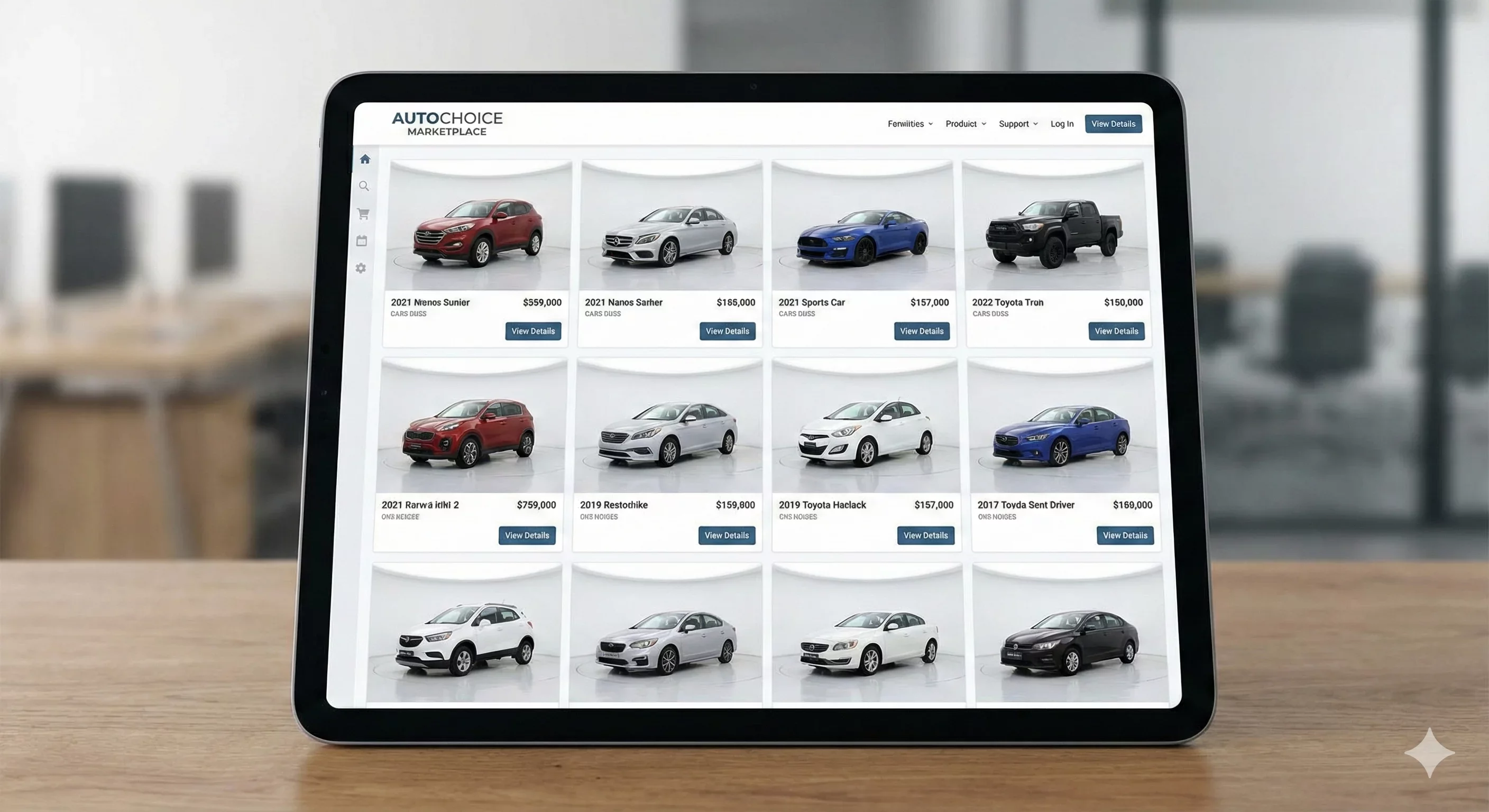
Inconsistent automotive backgrounds cost dealerships more than they realize. The visible expense, time spent on photo editing, understates the true impact. The hidden costs include clicks you never receive, leads that never convert, and brand perception damage that compounds over months and years.
This analysis examines why visual consistency has become a competitive differentiator in online automotive retail and what dealers lose by treating it as optional.
The Visual Trust Equation
Online car buyers cannot touch inventory. They cannot kick tires, sit in seats, or smell the interior. Their evaluation happens entirely through digital proxies, with photos carrying the heaviest weight. In this context, every visual element communicates something about the dealer behind the listing.
Consistent, professional automotive backgrounds signal operational competence. They suggest a dealer who pays attention to details, invests in presentation, and runs organized operations. These impressions transfer to the vehicles themselves and to expectations about the buying experience.
Inconsistent backgrounds signal the opposite. Random variation, mixed quality, obvious editing artifacts: these suggest a dealer who cuts corners, lacks systems, and operates reactively. Buyers who notice, even subconsciously, downgrade their trust accordingly.
This trust differential affects every subsequent interaction. The same vehicle, with the same price, from the same dealer produces different buyer responses depending on how its photos present. Trust earned through visual consistency makes other friction points easier to navigate. Trust lost through visual chaos makes every step harder.
Quantifying the Hidden Costs
The costs of inconsistent automotive backgrounds manifest in several measurable ways, though dealers rarely track them directly.
Click-Through Degradation
Marketplace algorithms and buyer behavior both favor consistent, professional presentation. Listings with polished photos receive more clicks than visually chaotic alternatives. When your inventory grid shows random backgrounds, harsh lighting, cluttered lots, and occasional professional shots mixed together, the overall click-through rate suffers.
The measurement challenge is that you see only your own clicks, not the clicks you would have received with better photos. The cost is real but invisible without comparative data.
Lead Quality Erosion
Buyers who engage despite visual concerns often arrive with heightened skepticism. Their inquiries probe for problems rather than expressing genuine interest. They ask more verification questions, request more documentation, and proceed more cautiously through the buying process.
This skepticism costs sales staff time and energy. Opportunities that should close smoothly require extra convincing. Some percentage never close at all, not because of vehicle problems but because trust was never established.
Price Perception Impact
Identical vehicles presented differently command different price expectations. Professional presentation supports premium positioning. Unprofessional presentation invites lowball offers and aggressive negotiation.
Dealers with inconsistent photos often face buyers anchored to lower prices before conversations begin. The margin compression compounds across every transaction.
Brand Accumulation Failure
Consistent visual presentation builds brand recognition over time. Buyers who encounter your listings repeatedly begin recognizing your distinctive style. This familiarity breeds comfort and preference.
Inconsistent presentation prevents this accumulation. Each listing is an isolated impression that builds nothing toward future recognition. Years of advertising spend fail to compound into brand equity because visual identity never solidifies.
The Operational Reality Behind Inconsistency
Most dealers do not choose inconsistent backgrounds deliberately. The inconsistency emerges from operational realities that go unaddressed.
Multiple Staff, Multiple Standards
When different employees photograph vehicles with different phones under different conditions, variation is inevitable. Without explicit standards and enforcement mechanisms, personal judgment determines presentation quality. Some staff produce excellent photos. Others do not. The inventory grid reflects this random distribution.
Time Pressure Over Quality
Dealers face constant pressure to list inventory quickly. Time spent on photo quality is time not spent on other urgent tasks. In this environment, "good enough" becomes the operative standard, and good enough varies by person and circumstance.
Tool Limitations
Dealers using inadequate tools accept whatever results those tools produce. Consumer-grade apps, outdated software, or no systematic tools at all create quality ceilings that cannot be exceeded regardless of effort. The best intentions produce mediocre outputs when tools constrain possibilities.
No Measurement, No Accountability
What gets measured gets managed. Most dealers do not track photo quality metrics or correlate visual presentation with business outcomes. Without this visibility, improvement receives no priority. Problems persist because no one quantifies their impact.
The Competitive Shift Underway
Market dynamics are making visual consistency more important, not less. Several trends accelerate this shift.
Digital-First Discovery
Buyer journeys increasingly start and progress online before any dealership contact. The percentage of evaluation happening through photos grows while in-person tire-kicking shrinks. Visual presentation weight in buyer decisions increases accordingly.
Marketplace Density
More inventory competes for attention on major platforms. Standing out requires more than competitive pricing; it requires visual differentiation. Consistent, professional backgrounds become a filtering mechanism that separates serious dealers from casual sellers.
Consumer Sophistication
Buyers have been trained by e-commerce giants to expect polished product photography. Amazon, fashion retailers, and consumer electronics brands set visual standards that car buyers now apply to vehicle listings. Meeting these expectations is no longer exceeding them; it is merely keeping pace.
AI Tool Accessibility
As professional-grade photo tools become accessible and affordable, the competitive bar rises. Dealers who invest in visual consistency gain advantages. Those who do not fall further behind as competitors upgrade. The middle ground of acceptable mediocrity is shrinking.
Building Visual Consistency as Competitive Advantage
Dealers who recognize the hidden costs of inconsistency can turn visual presentation into genuine competitive advantage. The path involves several components.
Standardize the System
Create documented standards for photo capture and processing. Define acceptable conditions, required angles, and processing workflows. Make these standards explicit rather than assumed, and train every staff member who touches photos.
Invest in Appropriate Tools
Tools designed for dealer photo workflows deliver consistency that general-purpose options cannot match. The investment pays for itself through time savings, quality improvements, and the business outcomes that professional presentation enables.
Enforce Through Process
Standards without enforcement degrade over time. Build quality verification into your workflow. No photo publishes without confirming it meets standards. Catch problems before they reach buyers rather than hoping no one notices.
Measure and Improve
Track visual quality metrics alongside business outcomes. Correlate presentation changes with click-through rates, lead quality, and conversion. Let data guide continued investment and refinement.
How CarBG Supports This Transition
CarBG provides the template systems and batch processing that make visual consistency operationally achievable. Rather than requiring heroic effort or specialized skills, the platform delivers professional automotive backgrounds through standardized workflows any team can execute.
Lighting optimization, shadow generation, and edge handling produce consistently professional results regardless of source photo variation. The visual standardization that builds competitive advantage becomes a system feature rather than an organizational struggle.
Final Thoughts
The hidden costs of inconsistent automotive backgrounds compound silently. Every chaotic inventory grid undermines trust, suppresses clicks, erodes lead quality, and prevents brand accumulation. Dealers who recognize these costs and invest in visual consistency position themselves ahead of competitors still treating photos as an afterthought. The market is shifting toward visual sophistication as a baseline expectation. Contact CarBG to discuss how systematic visual standardization fits your competitive strategy.
How much does visual inconsistency actually cost?
Direct measurement is difficult because costs manifest as opportunities lost rather than expenses incurred. However, dealers who improve visual consistency typically report increased click-through rates, faster inventory turns, and better lead quality. The compounding effect across all inventory makes even modest improvements significant.
Why do buyers care about backgrounds?
Buyers may not consciously evaluate backgrounds, but visual presentation affects subconscious trust formation. Professional, consistent photos signal competent operations. Chaotic, inconsistent photos suggest carelessness. These impressions transfer to vehicle quality expectations and dealer trustworthiness.
Can small dealers compete with large dealer groups on visual quality?
Yes. Modern tools make professional visual presentation accessible regardless of dealer size. A small dealer with consistent, polished photos can match or exceed the visual presence of larger competitors who have not prioritized this area.
How long does it take to see results from improving visual consistency?
Some effects appear immediately as new, consistent photos replace old, inconsistent ones. Brand recognition effects accumulate over months as buyers encounter your distinctive presentation repeatedly. Full competitive advantage develops over one to two years of consistent execution.
What is the minimum investment needed for meaningful improvement?
Investment scales with volume. A small dealer might achieve meaningful improvement with a few hundred dollars monthly in tool costs plus staff time for workflow adoption. Larger operations require proportionally larger investments but see proportionally larger returns.
Should I fix old listings or focus on new inventory?
Both matter, but prioritize new inventory to stop the accumulation of inconsistent photos. Then systematically upgrade older listings, starting with highest-visibility inventory. Complete transition typically takes two to four months depending on inventory size.