
April 8, 2026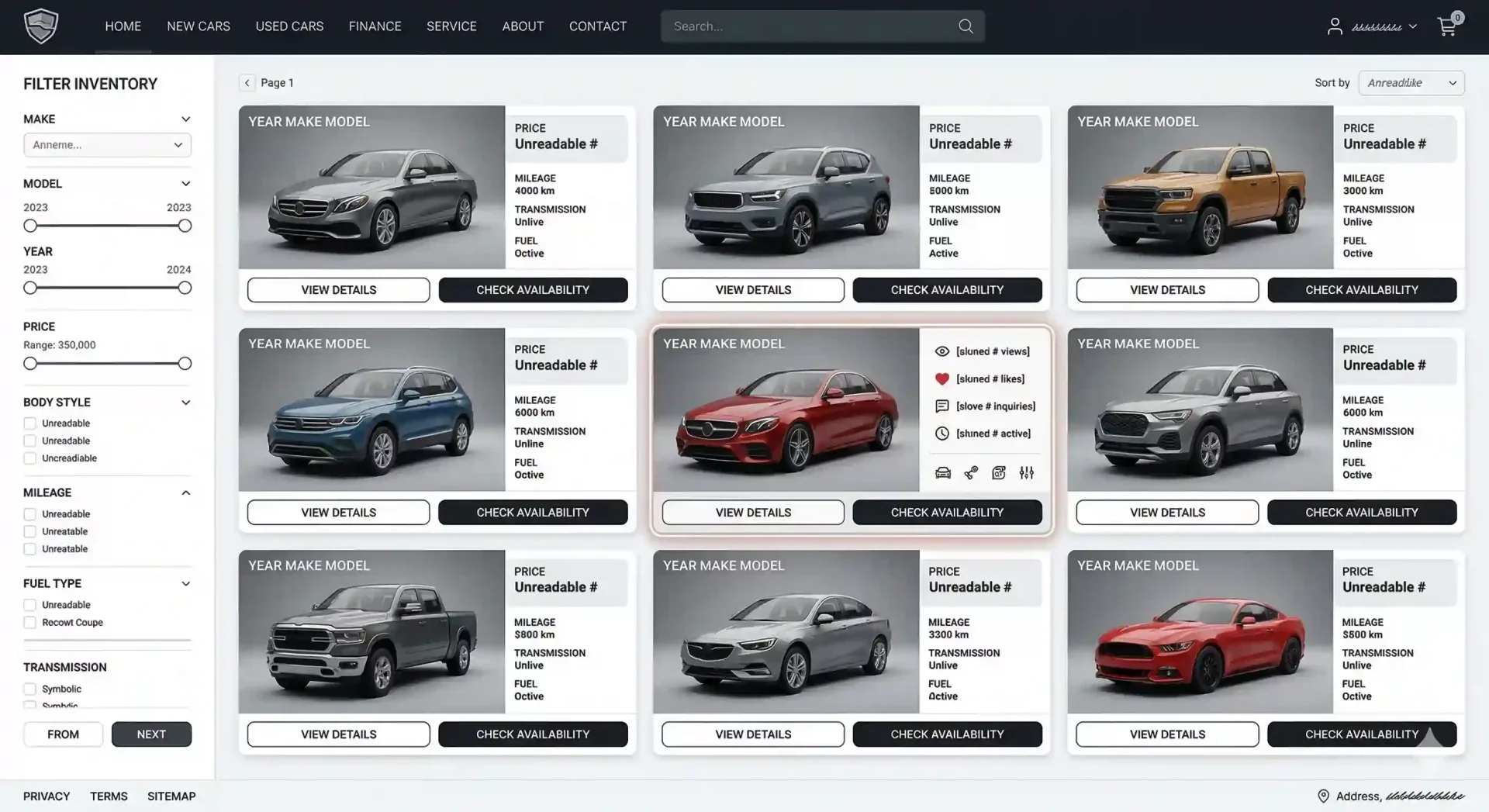
Car Listing Photos That Sell: What Top Dealers Do
Car listing photos are the first and often the only thing standing between a buyer's scroll and a click. Dealerships with fast-moving inventory share one trait: their photos look like they belong together. Same background tone, same lighting feel, same angle sequence, same level of care from the first image to the last. The vehicles may vary, but the visual standard does not.
This guide breaks down what high-performing dealers do differently with their car listing photos – from the capture sequence to the export settings. If your inventory page looks like a patchwork of different phones, different days, and different levels of effort, the fixes here are specific and immediate. For the post-capture side, CarBG handles background replacement and lighting normalization so your team can focus on shooting rather than editing.
What separates high-click car listing photos from ignored ones
Marketplace platforms display dozens of vehicles per search result. The listings that earn clicks share visual characteristics that signal professionalism before the buyer reads a single word of the description.
First, the hero image (front three-quarter angle) fills the thumbnail cleanly. The vehicle is centered with consistent padding, no bumper cropped off, no other cars bleeding into the frame. Second, the background is clean or neutral – not a busy lot with signage, fencing, or adjacent vehicles competing for attention. Third, the lighting is even. No deep shadows under the bumper, no blown-out reflections on the hood, no green cast from fluorescent overheads.
These are not subjective preferences. Marketplace engagement data consistently shows that listings with uniform, well-lit car listing images receive more views, longer time-on-page, and higher inquiry rates than listings with inconsistent or low-quality photos. The buyer may not consciously notice the background or the lighting, but they notice the feeling of trust or doubt that the photo creates.
The photo sequence that top dealers follow for car listing photos
High-volume dealerships standardize their shot list. Every vehicle gets the same angles in the same order, which produces a consistent viewing experience for buyers and eliminates decision fatigue for the photography team.
The 12-shot listing sequence
The standard sequence used by top-performing dealers covers four categories. Exterior angles: front three-quarter (hero), rear three-quarter, driver side profile, passenger side profile, front direct, rear direct. Interior angles: dashboard and center console, rear seat area, trunk or cargo space. Detail angles: wheels (driver front), odometer, and one unique feature (sunroof, tow package, or badge). This 12-shot sequence takes 5 to 8 minutes per vehicle and produces enough images for every major marketplace.
The sequence matters because it creates muscle memory. When the photographer does not have to decide what to shoot next, they move faster and the output is more uniform. It also ensures nothing is missed – no more listings where the trunk shot was forgotten or the odometer was skipped.
Background consistency across your car listing images
The single biggest visual differentiator between professional and amateur dealer listings is background consistency. When a buyer views your inventory page, every vehicle should appear against a similar backdrop. This creates the impression of a curated catalog rather than a random collection of lot snapshots.
There are two ways to achieve this. The first is physical: designate a photo area on your lot with a clean, uncluttered background and shoot every vehicle in that spot. The second is digital: shoot anywhere on the lot and replace the background with a consistent template using AI. Most high-volume dealers use the second approach because it eliminates scheduling constraints and allows vehicles to be photographed the moment they arrive.
The background itself matters less than the consistency of it. A light gray showroom, a clean white studio, or even a neutral outdoor scene all work – as long as every vehicle in your inventory uses the same one. Mixed backgrounds (some lot shots, some studio, some edited) create visual dissonance that undermines the professional impression you are building.
Lighting and color that build buyer trust in used car listing photos
Lighting serves two functions in car listing photos: visibility and accuracy. Buyers need to see every panel, every angle, and every detail clearly enough to form an impression of the vehicle's condition. And the color they see in the photo must match what they will see in person. A red car that appears orange in the listing, or a white car with a yellow cast, creates a trust gap the moment the buyer arrives.
Even lighting across the vehicle body is more important than dramatic lighting. Inventory photos are not marketing art – they are documentation. The goal is to show the vehicle honestly and clearly, with no area hidden in shadow and no area washed out by overexposure. Overcast daylight delivers this naturally. For lots where shooting conditions vary, AI lighting normalization corrects inconsistencies after capture so the entire set looks evenly lit.
Color accuracy depends on white balance. Auto white balance shifts between shots, which means a silver car photographed at 9 AM may look different from the same model photographed at 2 PM. Setting a fixed white balance (Daylight for outdoor lots) or running the batch through a consistent color correction pipeline ensures every vehicle's paint reads true to life across the listing.
Common car listing photo mistakes that kill leads
Five mistakes appear repeatedly in underperforming dealer listings. Each one is preventable, and each one costs clicks.
Inconsistent photo count. Some vehicles have 25 images, others have 6. Buyers interpret fewer photos as something being hidden. Standardize a minimum photo count (12 to 15) for every vehicle, regardless of price or condition.
Cropped bumpers and mirrors. Framing too tight cuts off the edges of the vehicle, which looks careless and makes it harder for buyers to assess the full profile. Keep 10% padding on all sides during capture.
Visible dealer clutter in the frame. Other vehicles, price stickers on windshields, cones, and staff members all appear in car photos that fail to convert. Clear the perimeter before shooting, or replace the background digitally.
Dashboard warning lights. A check-engine light or low-tire-pressure indicator visible in the dashboard photo generates immediate buyer doubt. Address the warning before photographing, or at minimum explain it in the listing description.
Mixed orientation. Some photos horizontal, some vertical, some slightly tilted. This makes the listing feel chaotic on mobile, where most buyers browse. Shoot every image in landscape orientation and keep the camera level.
How to build a repeatable car listing photo workflow
The dealers who consistently produce strong listing photos do not rely on individual skill or judgment. They build a system that produces the same output regardless of who operates it.
The four-step listing photo workflow
Step one: prep the vehicle. Wash, clean interior, position in the photo area. Five to ten minutes. Step two: capture. Follow the 12-shot sequence with locked exposure and fixed white balance. Five to eight minutes. Step three: process. Upload the full set to an AI tool for background replacement, lighting correction, and color normalization. Two to five minutes for the batch. Step four: export and publish. Download marketplace-ready files and upload to your listing platforms. Two to three minutes.
Total time per vehicle: 15 to 25 minutes from prep to published listing. For a dealership processing 50 vehicles monthly, this workflow requires roughly 15 to 20 hours of dedicated photography time – less than one full-time equivalent.
The critical element is process consistency, not individual talent. When the prep checklist, shot sequence, and processing pipeline are standardized, any staff member can produce dealer-ready photo quality. The AI processing step is what makes this possible – it normalizes the output regardless of varying skill levels, lighting conditions, and equipment across your team.
Final thoughts
Car listing photos that sell share three qualities: consistency across the inventory, honest lighting that builds trust, and a clean presentation that signals professionalism. None of these require expensive equipment or professional photographers. They require a standardized capture process and a post-capture pipeline that normalizes every image to the same standard. Build the workflow once, train your team on it, and let CarBG handle the editing – your inventory page transforms, and the difference shows up in listing engagement within the first week.
Frequently asked questions about car listing photos
How many photos should a car listing have?
Most marketplace platforms display 15 to 30 images per listing, but the effective minimum for buyer engagement is 12 to 15 photos. This covers all standard exterior angles, key interior views, and essential detail shots like wheels and the odometer. Listings with fewer than 10 images consistently underperform on click-through rate, as buyers interpret limited photos as either a rush job or an attempt to hide something about the vehicle's condition.
What makes car listing images look professional?
Three factors create the professional impression: a consistent, clean background across every image in the set, even lighting without harsh shadows or blown highlights, and uniform framing with the vehicle centered and fully visible. When all three are present, the listing looks like it came from a curated catalog rather than a phone camera on a random afternoon. AI post-processing achieves all three from standard lot captures.
Do professional car listing photos actually increase sales?
Marketplace platforms report that listings with professional-quality photos receive significantly more views, longer engagement time, and higher inquiry conversion rates than listings with unprocessed lot photos. The mechanism is buyer trust: clean, well-lit photos signal that the dealership takes care of its vehicles and its presentation. This trust translates directly into more calls, more showroom visits, and faster time-to-sale for the listed inventory.
What is the best background for used car listing photos?
A neutral, consistent background works best for used car listings. Light gray, white, or a clean showroom scene are the most popular choices among high-performing dealerships. The specific background matters less than consistency – every vehicle in your inventory should appear against the same backdrop so the listing page looks unified. Avoid busy outdoor scenes that compete with the vehicle for the viewer's attention.
How do I make car listing photos consistent across my team?
Consistency comes from standardizing the process, not from standardizing the skill. Give every team member the same shot list (12-shot sequence), the same camera settings (locked exposure, fixed white balance), and the same post-processing pipeline (AI batch processing with a consistent template). When the system is uniform, the output is uniform regardless of which staff member captured the photos. This is how multi-location dealer groups maintain visual consistency across dozens of operators.
Should I edit every car listing photo or just the hero image?
Edit the entire set. Buyers who click through to a listing scroll through all images, and a single unedited lot shot among otherwise professional images breaks the visual consistency and raises doubt. AI batch processing makes this practical – processing the full 12 to 15 image set takes under a minute, so there is no efficiency argument for editing only the hero shot. The small additional processing time delivers a complete, professional listing experience from first image to last.
This guide breaks down what high-performing dealers do differently with their car listing photos – from the capture sequence to the export settings. If your inventory page looks like a patchwork of different phones, different days, and different levels of effort, the fixes here are specific and immediate. For the post-capture side, CarBG handles background replacement and lighting normalization so your team can focus on shooting rather than editing.
What separates high-click car listing photos from ignored ones
Marketplace platforms display dozens of vehicles per search result. The listings that earn clicks share visual characteristics that signal professionalism before the buyer reads a single word of the description.
First, the hero image (front three-quarter angle) fills the thumbnail cleanly. The vehicle is centered with consistent padding, no bumper cropped off, no other cars bleeding into the frame. Second, the background is clean or neutral – not a busy lot with signage, fencing, or adjacent vehicles competing for attention. Third, the lighting is even. No deep shadows under the bumper, no blown-out reflections on the hood, no green cast from fluorescent overheads.
These are not subjective preferences. Marketplace engagement data consistently shows that listings with uniform, well-lit car listing images receive more views, longer time-on-page, and higher inquiry rates than listings with inconsistent or low-quality photos. The buyer may not consciously notice the background or the lighting, but they notice the feeling of trust or doubt that the photo creates.
The photo sequence that top dealers follow for car listing photos
High-volume dealerships standardize their shot list. Every vehicle gets the same angles in the same order, which produces a consistent viewing experience for buyers and eliminates decision fatigue for the photography team.
The 12-shot listing sequence
The standard sequence used by top-performing dealers covers four categories. Exterior angles: front three-quarter (hero), rear three-quarter, driver side profile, passenger side profile, front direct, rear direct. Interior angles: dashboard and center console, rear seat area, trunk or cargo space. Detail angles: wheels (driver front), odometer, and one unique feature (sunroof, tow package, or badge). This 12-shot sequence takes 5 to 8 minutes per vehicle and produces enough images for every major marketplace.
The sequence matters because it creates muscle memory. When the photographer does not have to decide what to shoot next, they move faster and the output is more uniform. It also ensures nothing is missed – no more listings where the trunk shot was forgotten or the odometer was skipped.
Background consistency across your car listing images
The single biggest visual differentiator between professional and amateur dealer listings is background consistency. When a buyer views your inventory page, every vehicle should appear against a similar backdrop. This creates the impression of a curated catalog rather than a random collection of lot snapshots.
There are two ways to achieve this. The first is physical: designate a photo area on your lot with a clean, uncluttered background and shoot every vehicle in that spot. The second is digital: shoot anywhere on the lot and replace the background with a consistent template using AI. Most high-volume dealers use the second approach because it eliminates scheduling constraints and allows vehicles to be photographed the moment they arrive.
The background itself matters less than the consistency of it. A light gray showroom, a clean white studio, or even a neutral outdoor scene all work – as long as every vehicle in your inventory uses the same one. Mixed backgrounds (some lot shots, some studio, some edited) create visual dissonance that undermines the professional impression you are building.
Lighting and color that build buyer trust in used car listing photos
Lighting serves two functions in car listing photos: visibility and accuracy. Buyers need to see every panel, every angle, and every detail clearly enough to form an impression of the vehicle's condition. And the color they see in the photo must match what they will see in person. A red car that appears orange in the listing, or a white car with a yellow cast, creates a trust gap the moment the buyer arrives.
Even lighting across the vehicle body is more important than dramatic lighting. Inventory photos are not marketing art – they are documentation. The goal is to show the vehicle honestly and clearly, with no area hidden in shadow and no area washed out by overexposure. Overcast daylight delivers this naturally. For lots where shooting conditions vary, AI lighting normalization corrects inconsistencies after capture so the entire set looks evenly lit.
Color accuracy depends on white balance. Auto white balance shifts between shots, which means a silver car photographed at 9 AM may look different from the same model photographed at 2 PM. Setting a fixed white balance (Daylight for outdoor lots) or running the batch through a consistent color correction pipeline ensures every vehicle's paint reads true to life across the listing.
Common car listing photo mistakes that kill leads
Five mistakes appear repeatedly in underperforming dealer listings. Each one is preventable, and each one costs clicks.
Inconsistent photo count. Some vehicles have 25 images, others have 6. Buyers interpret fewer photos as something being hidden. Standardize a minimum photo count (12 to 15) for every vehicle, regardless of price or condition.
Cropped bumpers and mirrors. Framing too tight cuts off the edges of the vehicle, which looks careless and makes it harder for buyers to assess the full profile. Keep 10% padding on all sides during capture.
Visible dealer clutter in the frame. Other vehicles, price stickers on windshields, cones, and staff members all appear in car photos that fail to convert. Clear the perimeter before shooting, or replace the background digitally.
Dashboard warning lights. A check-engine light or low-tire-pressure indicator visible in the dashboard photo generates immediate buyer doubt. Address the warning before photographing, or at minimum explain it in the listing description.
Mixed orientation. Some photos horizontal, some vertical, some slightly tilted. This makes the listing feel chaotic on mobile, where most buyers browse. Shoot every image in landscape orientation and keep the camera level.
How to build a repeatable car listing photo workflow
The dealers who consistently produce strong listing photos do not rely on individual skill or judgment. They build a system that produces the same output regardless of who operates it.
The four-step listing photo workflow
Step one: prep the vehicle. Wash, clean interior, position in the photo area. Five to ten minutes. Step two: capture. Follow the 12-shot sequence with locked exposure and fixed white balance. Five to eight minutes. Step three: process. Upload the full set to an AI tool for background replacement, lighting correction, and color normalization. Two to five minutes for the batch. Step four: export and publish. Download marketplace-ready files and upload to your listing platforms. Two to three minutes.
Total time per vehicle: 15 to 25 minutes from prep to published listing. For a dealership processing 50 vehicles monthly, this workflow requires roughly 15 to 20 hours of dedicated photography time – less than one full-time equivalent.
The critical element is process consistency, not individual talent. When the prep checklist, shot sequence, and processing pipeline are standardized, any staff member can produce dealer-ready photo quality. The AI processing step is what makes this possible – it normalizes the output regardless of varying skill levels, lighting conditions, and equipment across your team.
Final thoughts
Car listing photos that sell share three qualities: consistency across the inventory, honest lighting that builds trust, and a clean presentation that signals professionalism. None of these require expensive equipment or professional photographers. They require a standardized capture process and a post-capture pipeline that normalizes every image to the same standard. Build the workflow once, train your team on it, and let CarBG handle the editing – your inventory page transforms, and the difference shows up in listing engagement within the first week.
Frequently asked questions about car listing photos
How many photos should a car listing have?
Most marketplace platforms display 15 to 30 images per listing, but the effective minimum for buyer engagement is 12 to 15 photos. This covers all standard exterior angles, key interior views, and essential detail shots like wheels and the odometer. Listings with fewer than 10 images consistently underperform on click-through rate, as buyers interpret limited photos as either a rush job or an attempt to hide something about the vehicle's condition.
What makes car listing images look professional?
Three factors create the professional impression: a consistent, clean background across every image in the set, even lighting without harsh shadows or blown highlights, and uniform framing with the vehicle centered and fully visible. When all three are present, the listing looks like it came from a curated catalog rather than a phone camera on a random afternoon. AI post-processing achieves all three from standard lot captures.
Do professional car listing photos actually increase sales?
Marketplace platforms report that listings with professional-quality photos receive significantly more views, longer engagement time, and higher inquiry conversion rates than listings with unprocessed lot photos. The mechanism is buyer trust: clean, well-lit photos signal that the dealership takes care of its vehicles and its presentation. This trust translates directly into more calls, more showroom visits, and faster time-to-sale for the listed inventory.
What is the best background for used car listing photos?
A neutral, consistent background works best for used car listings. Light gray, white, or a clean showroom scene are the most popular choices among high-performing dealerships. The specific background matters less than consistency – every vehicle in your inventory should appear against the same backdrop so the listing page looks unified. Avoid busy outdoor scenes that compete with the vehicle for the viewer's attention.
How do I make car listing photos consistent across my team?
Consistency comes from standardizing the process, not from standardizing the skill. Give every team member the same shot list (12-shot sequence), the same camera settings (locked exposure, fixed white balance), and the same post-processing pipeline (AI batch processing with a consistent template). When the system is uniform, the output is uniform regardless of which staff member captured the photos. This is how multi-location dealer groups maintain visual consistency across dozens of operators.
Should I edit every car listing photo or just the hero image?
Edit the entire set. Buyers who click through to a listing scroll through all images, and a single unedited lot shot among otherwise professional images breaks the visual consistency and raises doubt. AI batch processing makes this practical – processing the full 12 to 15 image set takes under a minute, so there is no efficiency argument for editing only the hero shot. The small additional processing time delivers a complete, professional listing experience from first image to last.
Address
75 E 3rd street, Sheridan, WY, 82801, USA

Join our monthly email with car photography insights and tool updates
© 2026 CarBG LLC. All rights reserved.