Do Car Photos Help Sell Cars? What Bad Photos Cost Dealers
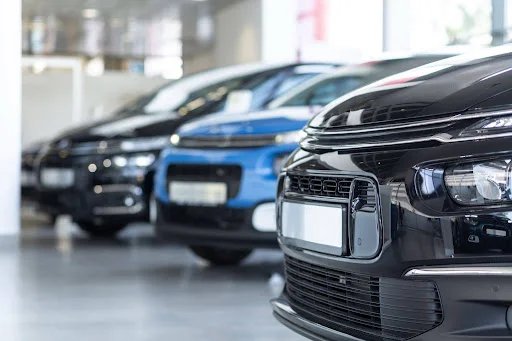
Do car photos help sell cars? Yes, more than any other part of the listing. Photos are the first thing a buyer judges, and most decide to click or scroll before reading a word. Bad photos run the same math in reverse. They cost you clicks, leads, and negotiating room on every car, quietly.
Here is what the data shows, what bad photos actually cost, and how to fix them without a studio.
Do car photos help sell cars? What the data says
Buyers shop with their eyes first. Cox Automotive found that listings with multiple custom photos lift clicks to vehicle detail pages by 349% over a single stock image. AutoTrader's own photo guidance points the same way: shoot against a clean, uncluttered background, because presentation drives interest.
The description and the price still matter. But a buyer only reads them after the photos earn the click. That makes photos a sales input, not decoration.
Think about how shoppers actually browse. They scroll a results page on their phone, often in short bursts between other things. Each thumbnail gets one glance, and that glance decides whether your price ever gets read.
What bad photos cost dealers
The cost never shows up as a line item. It shows up in three places, on every car, every week.
The clicks you never see
On a results page, your car sits next to ten nearly identical ones. A dark, cluttered thumbnail loses that contest without you ever knowing. The buyer scrolls on, and the car might as well not be listed. You still pay to hold it either way.
Weaker leads and wasted visits
Thin photo sets create uncertain buyers. They either skip the car or show up with questions the listing should have answered. Surprises at the viewing kill deals and burn your sales team's time. Compare that with a buyer who has seen every angle. They arrive knowing the car, and the conversation starts at price, not condition.
Longer days on lot and a softer price
A car that earns fewer clicks sits longer, and a sitting car invites markdowns. Sloppy presentation also hands the buyer a haggling tool. People discount what looks uncared for, and they anchor low before they ever call.
The listing mistakes buyers punish
Most car listing photo tips circle the same handful of mistakes. These are the ones that show up in dead listings again and again.
- A cluttered background, when a white or outdoor car background chosen on purpose would sell the car instead
- Too few angles, skipping the interior, wheels, and odometer that a professional car photo set always covers
- Dark, vertical, or blurry shots taken in a hurry
- A different backdrop on every car, so the grid reads as chaos
- Hiding damage the buyer will find anyway
None of these are camera problems. They are process problems, which is good news, because process is fixable.
Why car photos and buyer trust move together
A listing photo tells a buyer two things: what the car looks like, and how the store operates. Forty cars on one clean, matching backdrop read as a professional operation. Forty random backdrops read as a corner lot, whatever the cars cost. Buyers rarely say this out loud. They just message the store that looks like it has its act together.
Showing flaws compounds the effect. A photographed scratch says the rest of the listing can be believed. That credibility follows the buyer onto the lot, and it protects your asking price when the negotiation starts.
How to audit your own listing photos
You can find the problem in ten minutes, without hiring anyone. Open your inventory the way a buyer would, on a phone, and work through four checks.
- Scroll the grid. Do your thumbnails look like one store or ten? Mismatched backgrounds and lighting jump out fast at thumbnail size.
- Open three random listings. Count the photos and note the missing angles. Interior, wheels, and odometer are the usual gaps.
- Zoom in on one hero shot. Check the mirror edges, the windows, and the ground under the tires. If the car looks like it is floating, buyers notice too.
- Compare against the competition. Pull up the store down the road on the same marketplace. If their cars look sharper, they are getting the clicks yours should earn.
Write down what fails. Most lots find the same one or two problems on nearly every car. That means one process change fixes the whole inventory.
Fixing bad photos without a studio
Fixing this does not take a photographer charging per car. Your team shoots each car on a phone, right where it sits. Car Background AI then removes the messy background and drops the car onto a clean one, with real ground shadows, see-through windows, and sharp edges on mirrors and antennas. The plate gets blurred in the same pass.
Bulk car photo editing puts a whole intake on the same backdrop, which is how the grid gets consistent. Pricing runs pay-as-you-go from $0.20 per photo. A weak result costs nothing to fix either: the first generation of a photo and background pair costs one credit, and redos of that pair are free, up to five attempts in total. You pay for results, not attempts.
The workflow fits the intake you already have. Shoot the morning's arrivals, run the batch, review the results, and post. Anything that misses gets a free redo first, so nothing weak reaches the grid.
Make every listing earn the click
Photos decide whether a buyer ever reaches your price, your description, or your lot.
Good car photos and buyer trust move together, and both protect the number on the windshield. Bad ones tax every car you list, quietly, every day. So run the test. Take the three worst-photographed cars on your lot, run them through Car Background AI's free credits, and zoom in on the mirror edges. If the edges do not hold up, close the tab.
FAQ
How many photos should a dealership post per car?
Aim for 20 to 30 per vehicle where the marketplace allows it. Cover every exterior angle, the interior, wheels, engine bay, and odometer, plus close-ups of any flaws.
Do stock photos work for used car listings?
No. Buyers want the actual unit, and platforms like Facebook Marketplace require photos of the real car. A real photo, cleaned up well, outperforms a perfect stock shot.
Which photo matters most in a car listing?
The first one. It becomes your thumbnail in search results, so make it a clean front three-quarter shot in good light. Everything else only matters after it earns the click.
Can bad weather photos be fixed without reshooting?
Often, yes. Backgrounds, exposure, and gray skies can be corrected in editing without touching the car itself. Blur, deep shadows across the body, and missing angles still need a reshoot.
Do photos matter as much for cheap cars?
More, if anything. At lower price points the cars look similar on paper, so presentation becomes the differentiator. A clean photo set is often the only visible edge.

Tamas Magda
Car Background AI 공동 창업자, 성장 및 파트너십 총괄
Tamas Magda는 딜러 재고 차량 사진의 배경을 교체하는 AI 자동차 사진 편집 도구인 Car Background AI(carbackground.ai, CarBG)의 공동 창업자입니다. 파트너십, 성장, 비즈니스 아키텍처를 총괄하며, 개발팀과 함께 제품 로드맵을 만들고 딜러들과는 온라인 매물에 실제로 필요한 것이 무엇인지 논의합니다. APAC과 MENA 지역에서 벤처 빌딩 경험을 쌓았으며, 차량 머천다이징, 딜러 사진 워크플로, 그리고 차량 자체를 변형하지 않고 매물 이미지에 AI를 활용하는 방법에 대해 글을 씁니다.
Tamas는 Car Background AI의 공동 창업자로서 회사에 재무적 이해관계가 있습니다. Car Background AI를 언급하는 글에는 이러한 관계가 반영되어 있습니다.