White vs Outdoor Car Background: Which Sells More Cars?
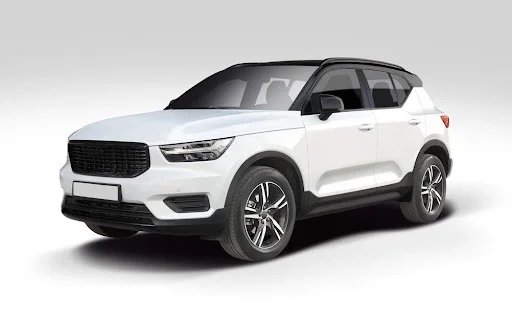
For most used-car listings, a white car background wins. It keeps the eye on the car, cuts the clutter, and makes forty vehicles read as one professional grid. Outdoor scenes, on the other hand, earn their slot on premium and enthusiast cars, where the setting sells the story.
Here's why the difference shows up in clicks, and how to test both backgrounds without reshooting a single car.
Why the background matters
A listing photo has one job: get the click over the nearly identical car three rows down. The background does more of that work than most sellers think. A clean backdrop reads as a professional operation.
A cluttered lot, a chain-link fence, or another car in frame reads as amateur hour.
The evidence backs it. Marketplaces like AutoTrader encourage sellers to shoot against a clean, uncluttered background, and Cox Automotive found listings with multiple custom photos lift clicks to vehicle detail pages by 349% over a stock image.
Buyers judge the background before they read a word of your description.
So the question is not whether to control the background. It is which one: white or outdoor?
What is the best background for car photos?
It depends on what you’re trying to do with the photo. A clean studio background works great for everyday listings, while an outdoor scene can make the right car feel more exciting.
Here’s the simple rule:
Where the photo goes | Better background | Why |
Marketplace listings | White or studio showroom | Clean, consistent, easy to browse |
Premium or enthusiast cars | Outdoor or lifestyle scene | Adds emotion and personality |
Social media and ads | Outdoor or branded scene | More eye-catching and scroll-stopping |
Your website inventory page | One consistent studio look | Makes the whole inventory feel cohesive |
If you only pick one, go with the clean studio look for your listings. It keeps the focus on the car and makes your whole inventory look like it belongs together.
When white background car photos win
White background car photos are the default for a reason: they make your inventory look clean and consistent.
Consistency across the whole lot
A buyer rarely looks at just one of your cars. They scroll through your inventory, and a consistent car background makes every listing feel more professional and easier to browse. Forty vehicles on forty different backdrops read as chaos.
Forty cars on the same clean backdrop read as a store that has its act together. White, or a light studio grey, makes that consistency easy. It also survives every marketplace's crop and thumbnail, because nothing important sits at the edges.
Focus on the product
White puts the focus where it belongs: on the car. Color reads true, trim details stand out, and nothing in the frame competes for attention. For the everyday cars that fill most used lots, that clarity sells better than atmosphere.
Where pure white falls short
White has two weak spots. Pure white is unforgiving: a rough mirror edge, a missing ground shadow, or opaque windows give the edit away instantly. And it can feel sterile on some cars. A soft showroom scene with a real floor and shadow often works better, because the car looks placed, not pasted.
Bottom line: white wins listings through consistency and focus, but only if the edit holds up to a close look.
When an outdoor background wins
Outdoor backgrounds are the exception for a reason: on the right car, they sell a feeling that white cannot.
Where outdoor adds something
Outdoor backgrounds sell a story. A convertible at golden hour. A 4x4 on gravel. A family SUV outside a suburban home. Suddenly, the buyer can picture themselves in the car. That is where the right car background can make a difference. It adds some personality without taking attention away from the vehicle.
Where outdoor goes wrong
You can chase that look with a real outdoor shoot, but weather, lighting, and location make it hard to keep things consistent across every car. And a random corner of the lot? That is the worst of both worlds. It adds clutter without adding any real story.
Bottom line: outdoor backgrounds work best for hero cars, social posts, and premium inventory. Use them because they add something, not simply because that is where the car happened to be parked.
Test both without reshooting a single car
This debate used to be expensive to settle, because testing meant reshooting. Not anymore. With Car Background AI, you shoot each car once, wherever it sits on the lot. Background replacement then renders the same photo onto white, showroom, or outdoor scenes.
Put ten listings on white and ten on outdoor, watch which gets more clicks and calls, and you have your answer. The test is free too: 10 free credits, no card, no call.
It also fixes the problems from earlier. The edits are clean: real shadows, see-through windows, sharp edges around mirrors and antennas. The car looks natural, not cut out. Car photo editing puts every car on the same backdrop at once. Plates get blurred too.
Pick the background your buyers answer to
White wins listings for most inventory. Outdoor wins hearts for the right cars. The cluttered lot corner wins nothing. But your market gets the final vote, and testing it is now cheap: one shoot, two backgrounds, real click data. So run the honest test.
Take the three worst-photographed cars on your lot, render them both ways with Car Background AI's free credits, and zoom in on the mirror edges. If they don't hold up, close the tab.
FAQ
Do cars sell faster with a white background?
Not by itself. Clean white or studio backgrounds earn more clicks because they look professional and consistent. Whether the car then sells fast comes down to price, condition, and coverage.
Is grey better than white for car listings?
Often, yes. A light grey or soft showroom scene keeps white's clarity while adding a natural floor and shadow, so the car looks placed in a space rather than floating.
Should every car in my inventory use the same background?
Yes. A matching backdrop across the grid signals an established operation and makes browsing easier. Reserve different scenes for hero cars and social content, not the main inventory.
Are edited backgrounds allowed on car marketplaces?
Yes. Background replacement is standard, accepted dealer presentation on major marketplaces. The rule is honesty: change the backdrop, never the car's condition, color, or shape.
What ruins a white background car photo?
A bad edit. Missing shadows, opaque windows, and rough edges around mirrors give it away. On white, there is nowhere to hide, so edit quality matters most there.