How Much Do Car Photographers Charge in 2026?
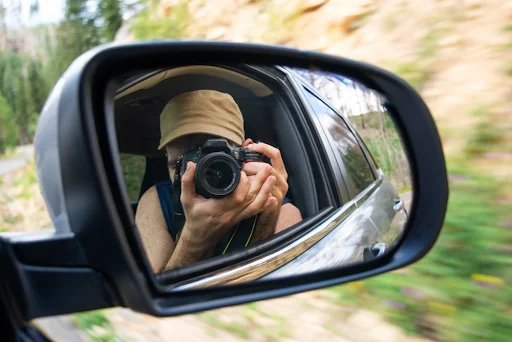
In 2026, how much car photographers charge comes down to how you hire them. In the US, freelance and commercial automotive photographers run roughly $50 to $300 an hour, $200 to $500 for a single session, and about $15 to $30 per vehicle when they shoot dealership inventory.
Top advertising shooters reach $500 an hour or more. Those are wide bands because car photography rates depend on experience, location, what is included, and how many vehicles you need covered.
For a private seller with a couple of cars to list, a single session is usually the whole story. For a dealership photographing new intake every week, the per-car number is the one that matters, and it adds up faster than most owners expect. Here is the full breakdown, plus where the math stops working and what dealers do instead.
How much do car photographers charge in 2026: the quick numbers
Most quotes fall into one of a few pricing models. Here is what each tends to cost in the US right now.
Pricing model | Typical US rate (2026) |
Hourly, beginner or part-time | $50 to $100 per hour |
Hourly, experienced freelancer | $100 to $200 per hour |
Hourly, established professional | $200 to $300 per hour |
Hourly, top commercial and advertising shooters | $300 to $500 per hour |
Per session | $200 to $500, depending on scope and travel |
Half to full day | Around $800 for a four-hour shoot, higher in major metros |
Per vehicle, dealership work | $15 to $30 per car |
Treat these as starting points, not fixed rates. A shoot in Los Angeles, Miami, or New York costs more than the same work in a smaller market, and a quote that includes editing and usage rights is not comparable to one that does not.
What spikes car photography rates
The single biggest factor is experience, and it shows up directly in wages. The US Bureau of Labor Statistics puts the median hourly wage for photographers at $20.44 as of May 2024, with the top tenth earning more than $45 an hour.
A specialist who knows how to manage reflections on paint and glass sits at the upper end, because automotive work is harder than it looks, and mistakes are expensive to reshoot.
Location matters almost as much. Markets with luxury dealerships and advertising agencies support higher rates. That means that the same package can swing by a few hundred dollars depending on the city.
What is and is not included
A rate quoted without context is close to meaningless. Editing is the usual culprit: some photographers fold color correction and cleanup into the price, while others bill it on top, and that gap can double the real cost.
Licensing is the other one. A photo cleared for your website and listings is priced differently from one licensed for paid advertising. Before comparing two quotes, confirm whether each covers the shoot, the editing, and the usage you actually need.
Dealership photography pricing is a different math
A dealership does not buy one shot, but a steady stream of them. That changes the calculation completely, and it is why dealership photography pricing usually lands on a per-vehicle rate rather than an hourly one.
In recent industry discussion among dealers, manual shooting with a DSLR and editing included is pegged at roughly $20 per vehicle as a fair 2026 floor, with premium contracted work historically running $28 or more.
Run that against real volume, and it gets serious. A store taking in 40 cars a month at $20 each spends $800 a month on photography alone, and that is before reshoots, weather delays, or the cost of someone physically moving each car to a clean spot to shoot it.
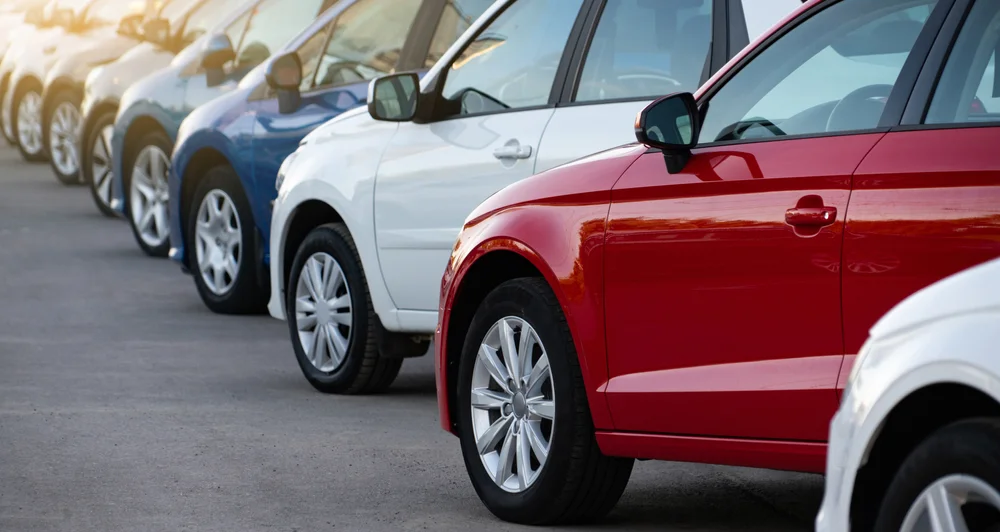
Hiring in-house does not erase the problem either. At the BLS median wage plus camera gear and the hours it takes to shoot and upload 25 to 30 images per car, a full-time shooter is a real line item, and the average US car photographer's salary sits around $42,000 a year.
None of that buys you consistency. Different staff, different phones, and different lighting leave an inventory grid that looks uneven, which is the opposite of what a careful buyer wants to see.
The alternative: turn phone photos into listing-ready images
This is where the spending stops making sense for routine inventory, and where Car Background AI changes the math. Instead of paying a photographer per car, your team shoots each vehicle on a phone right on the lot and runs the images through the tool.
Features
The AI car photo editor handles the work that used to need a studio: background removal strips the messy lot, background replacement drops the car onto a clean, consistent backdrop, and the image is evened out for exposure and color before it goes live.
Pricing
It solves two problems that a photographer cannot solve cheaply. The first is cost at volume. Car Background AI uses monthly or yearly plans from $29/mo, with 10 free generations to begin and cancel anytime. Against $15 to $30 per car for a shooter, processing a whole month of intake costs a fraction of one freelance session.
Scalability
The second is consistency. With bulk car photo editing, you run a full set of vehicles through together, and they come out matching. Then, dealership branding applies your logo and style across every shot. The result is an inventory that looks like one studio produced it, no matter who took the original photos.
Quality
The point is not to cut corners on quality, because quality is exactly what moves cars online. Cox Automotive found that listings with multiple custom photos lift click-through to used-vehicle detail pages by 349% compared with a single stock image.
Clean, consistent photos are what earn that engagement, and getting them no longer requires a per-car invoice.
When a professional photographer still makes sense
To be fair, there are jobs where a skilled shooter earns every dollar of that $300 to $500 hourly rate. A hero image for a brand campaign, a flagship exotic on the showroom floor, or editorial work for a magazine all call for a human eye, controlled lighting, and creative direction that automated processing is not trying to replace.
The distinction is routine versus showcase. For day-to-day inventory, where the goal is a clean, trustworthy listing across dozens of cars a week, the per-vehicle cost of a photographer is hard to justify.
For the occasional standout shot that anchors your marketing, it can be money well spent. Most dealers end up doing both, using a tool for volume and a photographer for the rare feature piece.
Final thoughts
What you are really paying for, whichever route you choose, is listings that look trustworthy enough to earn a click and a visit. A photographer can deliver that one car at a time at a real cost per vehicle.
For a full lot turning over every month, processing phone photos into clean, branded, consistent images does the same job for cents instead of dollars. That protects both your time and your margin on every sale.
Want to see what your own inventory looks like first?. Try it for free with 10 credits and run a few cars through.
FAQ
Is it cheaper to hire a car photographer or use software?
For one car, a photographer is fine. Across a full inventory, AI processing is far cheaper, running cents per image versus $15 to $30 per vehicle for a shooter. You also don’t have to worry about travel or reshoot costs, so it all compounds better.
How much should a dealership budget for vehicle photos?
Budget by intake, not by shoot. At roughly $20 per car, photographing 40 new arrivals a month runs about $800, before reshoots. Software-based processing cuts that to a small fraction.
Do car photographers charge per photo or per car?
For dealership inventory, most charge per vehicle, covering a set of 25 to 30 images. Commercial and editorial work is usually billed hourly, per session, or per day instead.
Are smartphone photos good enough for car listings?
Yes, when they are processed well. A clean phone photo run through background replacement and exposure cleanup looks professional and consistent, which is what buyers respond to on a listing.
What affects car photography rates the most?
Experience and location lead, followed by scope, whether editing and licensing are included, and how many vehicles you need. A pro in a major metro with full usage rights costs the most.

Tamas Magda
Medeoprichter, Groei en Partnerschappen bij Car Background AI
Tamas Magda is medeoprichter van Car Background AI (carbackground.ai, CarBG), een AI-fotobewerker voor auto's die achtergronden op voorraadfoto's van dealers vervangt. Hij leidt partnerschappen, groei en bedrijfsarchitectuur, werkt met het ontwikkelteam aan de productroadmap en met dealers aan wat hun online advertenties werkelijk nodig hebben. Hij heeft een achtergrond in venture building in APAC en MENA en schrijft over voertuigpresentatie, fotoworkflows voor dealers en het gebruik van AI op advertentiefoto's zonder de auto zelf te veranderen.
Tamas is medeoprichter van Car Background AI en heeft een financieel belang in het bedrijf. Artikelen waarin Car Background AI wordt genoemd, weerspiegelen die relatie.