How to Take Professional Car Photos for Marketplace Listings
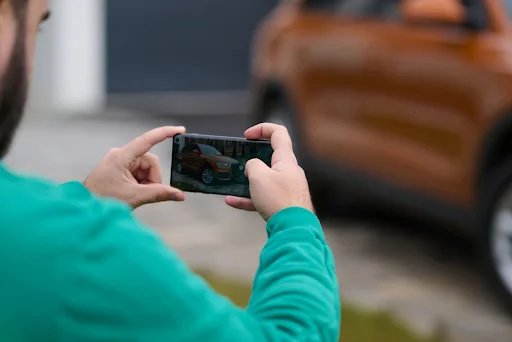
To take professional car photos, wash and prep the vehicle, shoot in soft even light such as an overcast day or the hour after sunrise, keep the camera at belt-line height, and work through a fixed set of exterior, interior, and detail angles against an uncluttered background. A recent phone is enough when you lock exposure and follow the same shot list for every vehicle.
Professional car photos come down to four things: a clean car, soft light, the right angles, and an uncluttered background. Get those right, and a phone is enough. This guide walks through the whole process, from prep to the final shot list, so your car listing photos look sharp on AutoTrader, Facebook Marketplace, eBay Motors, or anywhere else you sell.
Photos are the first thing a buyer judges. AutoTrader puts it plainly: cars with photos attract far more shopper interest than cars without them. So the effort pays off directly in views and calls. Here is how to photograph a car to sell it.
Quick checklist before you start
A car photographer is great, but they cost a lot. Expect about $50 to $300 an hour, or $15 to $30 a car for dealer inventory. Paying for a shoot can be affordable for one special car but pricey for a whole lot. That’s why most sellers shoot their own and clean them up after.
Most of the work happens before you take a single photo. Run through this first.
- Wash and dry the car, including the wheels
- Clean the glass and mirrors, inside and out
- Clear the interior: rubbish, loose items, air fresheners
- Straighten the floor mats and retract the seatbelts
- Point the front wheels straight, or turned the same way on every car
- Clean your phone or camera lens
- Check the forecast for soft light or an overcast day
- Plan to hide the license plate
A clean car matters more than an expensive camera. Soft light reveals every smudge and water spot, so a quick wash does more for the final image than any editing later.
Step by step: how to photograph a car to sell
Here is the core process. Follow it in order, and you will not miss anything.
- Pick your light. Shoot in the hour after sunrise or before sunset, or on an overcast day. Both give soft, even light.
- Choose a clean spot. Find an open area with nothing distracting behind the car. Empty lots, quiet roads, and parking structures all work.
- Position the car. Angle it about 30 to 45 degrees to the light so the shape reads well and reflections stay under control.
- Set your hero shot. Start with the front three-quarter angle. This is the photo buyers see first in search results, so make it your best one.
- Work around the car. Move in a circle and shoot every exterior angle at a steady eye-level height.
- Shoot the details. Wheels, badges, and any feature worth showing.
- Do the interior. Open a door for light, then capture the dash, seats, and screens.
- Cover condition. Photograph the odometer and honest close-ups of any flaw.
- Review and reshoot. Check focus and exposure on each frame before you leave.
That sequence gives you a complete set in one pass, which is exactly what a buyer needs to feel like they walked around the car.
1. The best light for car photos
Lighting is the single biggest factor in how professional a photo looks. You want soft, even light with accurate color.
The two best conditions are golden hour and overcast skies. Golden hour, the hour after sunrise and the hour before sunset, gives warm, low-angle light with soft shadows and fewer reflections on paint and glass.
An overcast sky acts like a giant softbox, spreading light evenly across the car with no harsh shadows under the wheel arches. For listing photos, an overcast day is often the easiest win because color stays true and paint condition shows clearly.
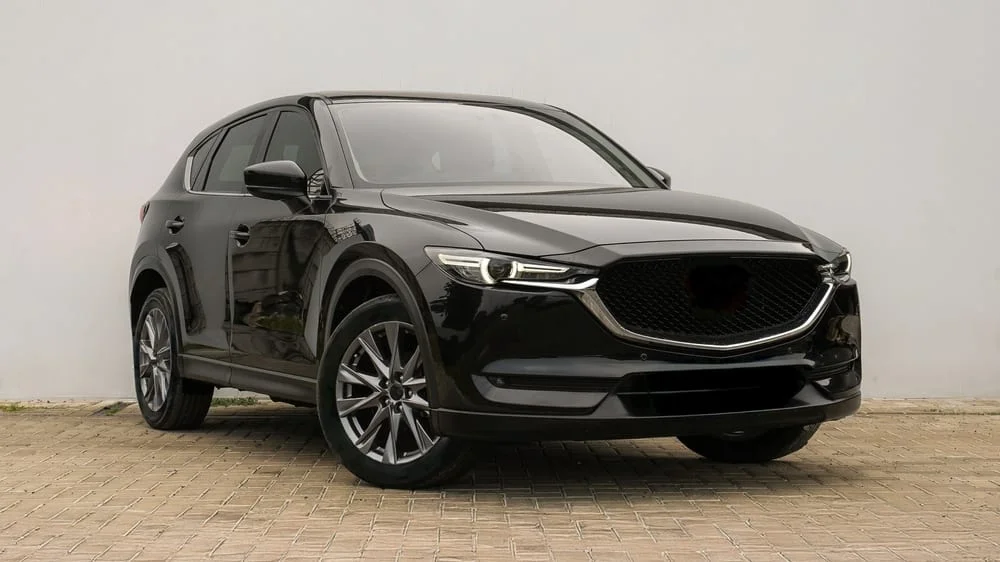
Avoid direct midday sun. Overhead light blows out the hood and roof, drops deep shadows under the car, and throws glare across the paint. If midday is your only window, park in open shade, such as a building's shadow, a garage, or a large tree, and lower your exposure by about one stop to protect the highlights.
White and silver cars blow out fastest, so save those for soft-light days if you can.
2. Camera settings that work
You do not need a professional rig. A phone from the last few years is plenty. What matters is using it well.
On a phone
- Use the main lens, not the ultrawide. Ultrawide bends the car's proportions up close. Step back instead.
- Keep HDR on.
- Tap the car to lock focus, then slide the exposure down a little if the sky looks washed out.
- Turn on gridlines to keep the horizon level.
- Shoot at full resolution and hold steady.
On a DSLR or mirrorless
- Set the aperture between f/8 and f/11 so the whole car stays sharp.
- Keep ISO low, around 100 to 200, in daylight.
- Match white balance to the light, daylight or cloudy.
- A circular polarizing filter cuts glare on glass and paint.
- Shoot from roughly eye level down to mid-thigh height. Overhead shots distort the car.
Whatever you shoot with, get the framing right in the camera. A level, well-exposed photo needs almost no editing afterward.
3. The shot list buyers expect
Coverage is what turns a browser into a caller. A buyer wants to inspect the car without driving to you. Aim for 20 to 30 photos for most marketplace listings, then fill them with a full set rather than the same six angles everyone uses.
A complete set covers:
- Exterior: front three-quarter hero, rear three-quarter, both side profiles, front and rear straight-on
- Wheels: a close-up of each wheel and tire
- Interior: dashboard, gauge cluster with the engine on, front seats, rear seats, center console, infotainment screen
- Mechanical: engine bay, open trunk, fuel filler area
- Condition: the odometer, plus clear close-ups of every visible flaw
- Optional: the VIN, partly obscured if you want privacy
Show the flaws. A buyer who sees the scratch in a photo trusts the whole listing more, and they arrive already knowing what to expect, which saves everyone a wasted visit.
Honesty is not a weakness here. In most places, hiding known damage from a listing can even count as misrepresentation, so clear condition photos protect you too.
4. Location and background
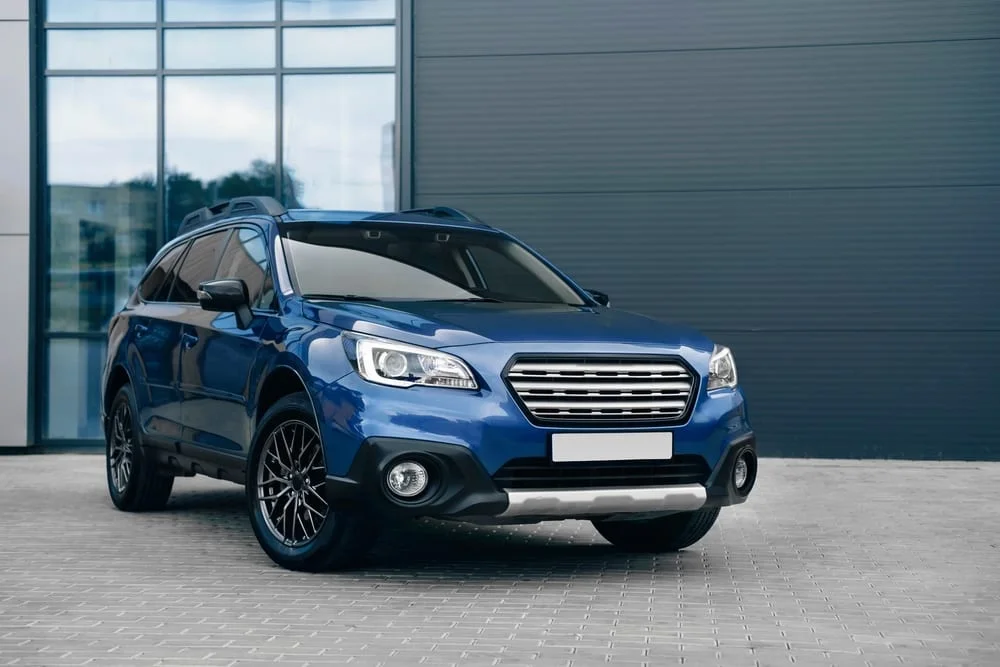
A great car in a bad spot gets ignored. The background frames the whole shot, so keep it clean. Avoid poles, bins, other cars, and passing traffic. Open lots, quiet side streets, and parking structures all photograph well, and if you are shooting several cars, try to use the same spot each time so the set looks consistent.
The catch is that most sellers do not have a tidy lot or a scenic road on hand. That’s why we built Car Background AI. Shoot the car in your driveway, in a cramped corner of the lot, even under grey skies, then drop it onto a clean, showroom-style background in a couple of clicks. The messy driveway ends up looking like a studio shoot.
What makes it hold up is the cutout. Background removal traces the parts cheaper tools butcher, like the antenna and the slivers of sky between the wheel spokes, so the edges look real instead of cut out with scissors. And because every car lands on the same backdrop, your listing page finally matches from top to bottom.
Buyers read that consistency as a seller worth trusting, before they have even called.
5. Editing and finishing
Good editing is light editing. Straighten the photo, crop it to the marketplace's shape, and nudge the exposure or contrast if it needs it. Do not push the color past reality or edit out damage. Buyers spot that fast, and it kills the trust you are trying to build.
The bigger win is a set that looks like one shoot instead of ten. Photos taken in different light and different corners come out uneven, and an uneven grid reads as sloppy.
Run them through the same AI car photo editor, and the exposure evens out so the whole listing pulls together. Selling more than one car? Try bulk car photo editing and clear a full batch in one go while putting your logo on every shot.
This way, you walk away with a clean, on-brand set in minutes, without booking a studio day. Change the background and the light, keep the car honest, and let the photos do the selling.
Marketplace photo specs to know
Each platform handles photos differently. Match the specs so your images display cleanly instead of getting cropped or capped.
Marketplace | Photo limit | Notes |
AutoTrader | Up to 30 (free) or 50 (premium) for private sellers | Landscape, fits a 4:3 frame; front three-quarter is the hero shown in results |
Cars.com | Full set supported; dealer photos usually flow in via an inventory feed | Aim for a complete 20 to 30 set and lead with a front three-quarter |
CarGurus | No private-seller listings; dealer inventory only | Private sellers are routed to instant dealer offers instead of a photo listing |
Facebook Marketplace | Up to 10 for a manual listing; up to 20 via a dealer inventory feed | First photo is the thumbnail; must be your own photos of the actual car |
eBay Motors | Up to 24 on standard listings, more with premium | First photo is the gallery image |
Craigslist | Up to 24 | Compresses images hard, so upload high-res; blur the plate and keep your home out of frame |
OfferUp | Up to 12 | The tightest cap of the big platforms, so use all 12 and lead with the hero |
Cars & Bids (auction) | Typically 40 to 70 | Enthusiast buyers expect every angle, all four wheels, and flaw close-ups |
Bring a Trailer (auction) | Typically 80 to 150, plus a walkaround video | The most documentation-heavy platform; deep coverage is expected |
Two rules apply almost everywhere: shoot in landscape, and lead with a strong front three-quarter. The auction sites sit at the far end, since their bidders expect exhaustive documentation, so plan for a much bigger set if you list there.
Common mistakes to avoid
Most amateur listings lose clicks for the same handful of reasons. Check yours against these.
- Shooting in harsh midday sun
- A dirty car or spotty glass, which soft light exposes
- Ultrawide distortion from standing too close
- A cluttered or distracting background
- Too few photos, or missing the wheels, engine, and interior
- Heavy filters that misrepresent the color
- Vertical photos that get cropped or grey-barred
- Leaving the license plate exposed
Fix these, and your listing already looks better than most of the page.
Final thoughts
Professional car photos are the cheapest way to sell a car faster. A clean car, soft light, a full shot list, and a tidy background will put you ahead of most listings on any marketplace.
When you cannot get the light or the location right, a clean background swap and a quick exposure fix close the gap, so every car looks its best, and your listings stay consistent. That consistency is what earns more views, stronger leads, and buyers who trust what they see before they call.
See what your own photos should look like first. Try Car Background AI free with 10 credits and run a few through.
FAQ
What is the best time of day to photograph a car?
The hour after sunrise or before sunset, known as golden hour, or any overcast day. Both give soft, even light with accurate color and few harsh reflections. Avoid direct midday sun.
How many photos should a car listing have?
Aim for 20 to 30 on most marketplaces, covering every exterior angle, the full interior, wheels, engine, odometer, and any flaws. Listings with fuller coverage get more clicks than sparse ones.
Can I take good car photos with a phone?
Yes. A phone from the last few years is more than enough. Use the main lens, keep it level, shoot in soft light, and cover every angle. Technique matters far more than the camera.
What background is best for car listing photos?
A clean, uncluttered one with no poles, bins, or other cars. Open lots and parking structures work well. If you cannot find a good spot, replacing the background gives you a consistent, professional look.
Should I blur the license plate in listing photos?
Yes. A visible plate exposes the seller to cloning and adds nothing to the listing. Blurring or redacting it is quick, and many sellers now do it as standard practice.
Do editing apps make car photos look fake?
Only if you overdo it. Swapping a messy background and evening out exposure looks professional and is widely accepted. The line is honesty: never alter the car's color, shape, or condition.